


-
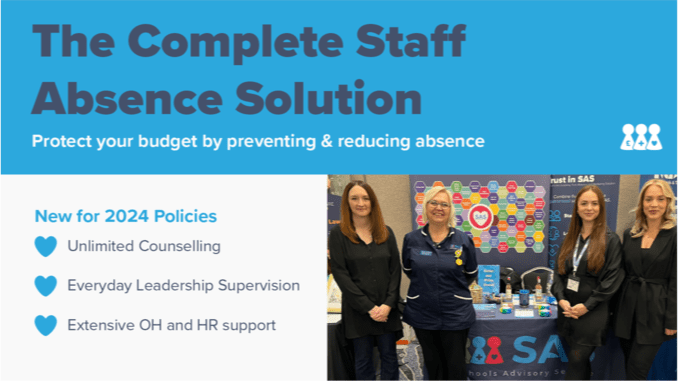
 We all have unique roles to play in any team. But sometimes we can get bogged down with worries about what and how much we are contributing. You’re a useful cog in the school machine, keep reading
 -




In a recent Education Executive feature, we explored the DfE’s latest initiative aimed at assisting schools in meeting IT service keep reading

In recent years, the rise of artificial intelligence (AI) has transformed various industries, including education. One such AI tool gaining keep reading

Of all the functions in a school – IT remains the most clouded in mystery for many. This is partly keep reading

In today’s digitally driven world, managing children’s screen time has become a pressing concern for parents across the globe. From keep reading
Wrapping up our “Focus on Technology,” article series, we delve into the advantages and potential challenges of technology in the keep reading

This comprehensive study sheds light on the landscape of extra-curricular involvement among secondary school students and its impact on their keep reading

With SBL recruitment suffering a decline, how can we foster enthusiasm for newcomers to join this profession, and what factors keep reading

While “thought leadership” may often bring to mind LinkedIn posts and business blogs, its underlying principles hold the power to keep reading

In a comprehensive evidence review funded by Mission 44, the National Foundation for Educational Research (NFER) delves into the persistent keep reading

As life in general becomes more stressful pressures such as finance, childcare and the cost of living to name but keep reading
Copyright © 2024 | Education Executive | Intelligent Media Solutions